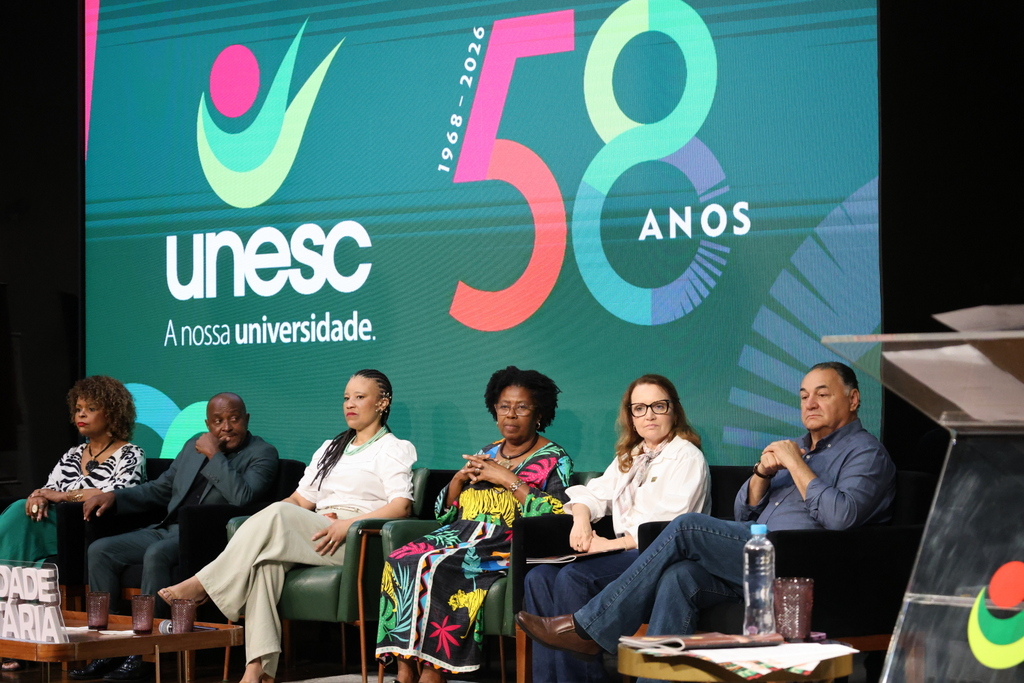
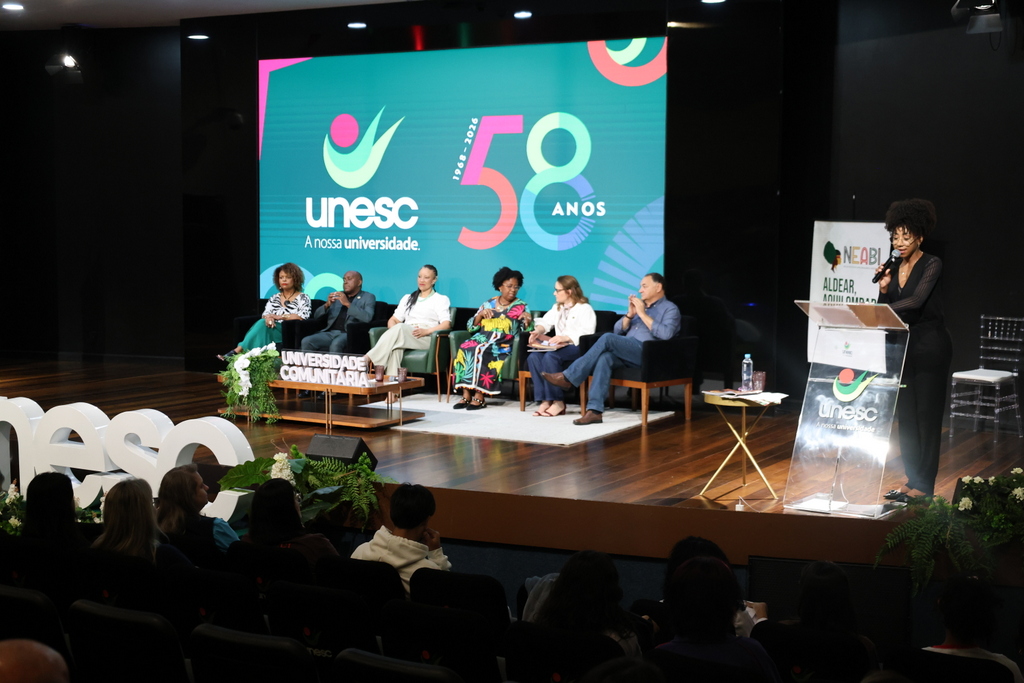
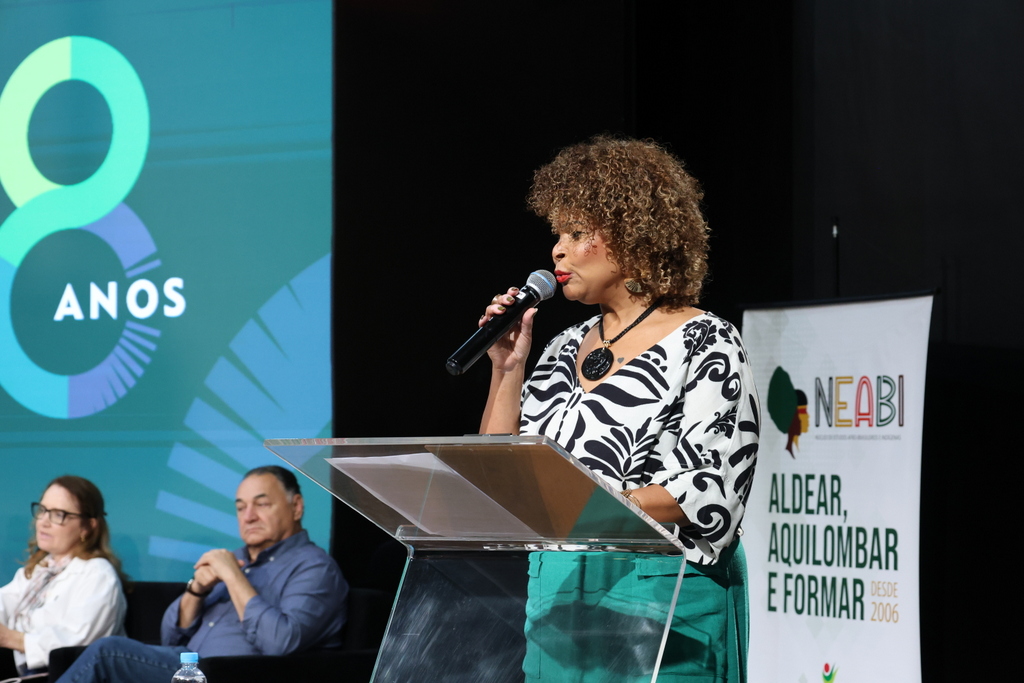
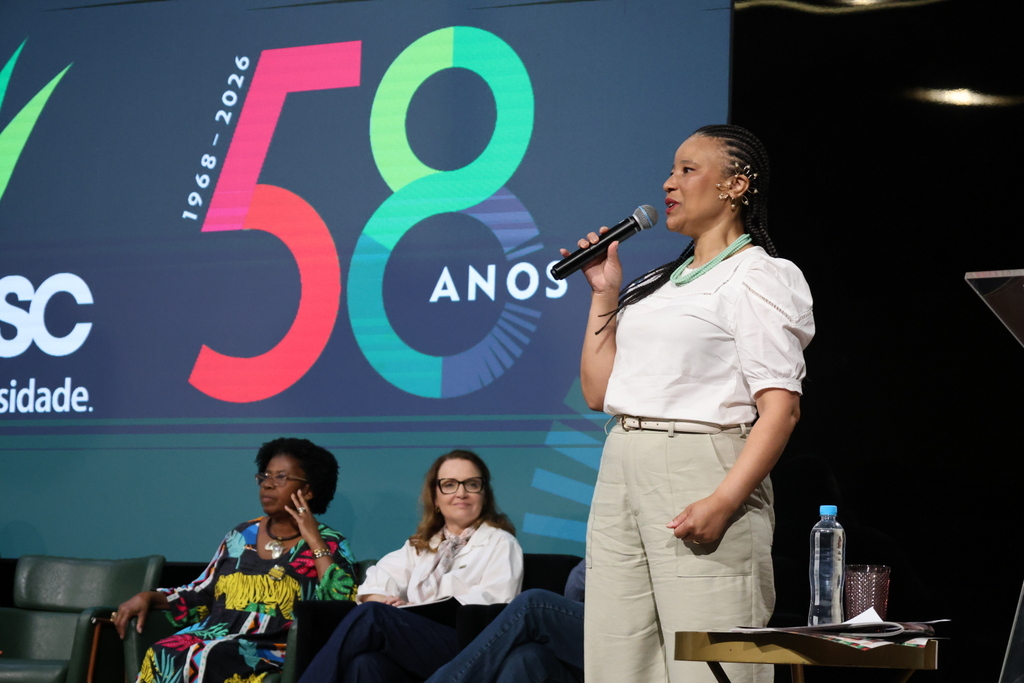
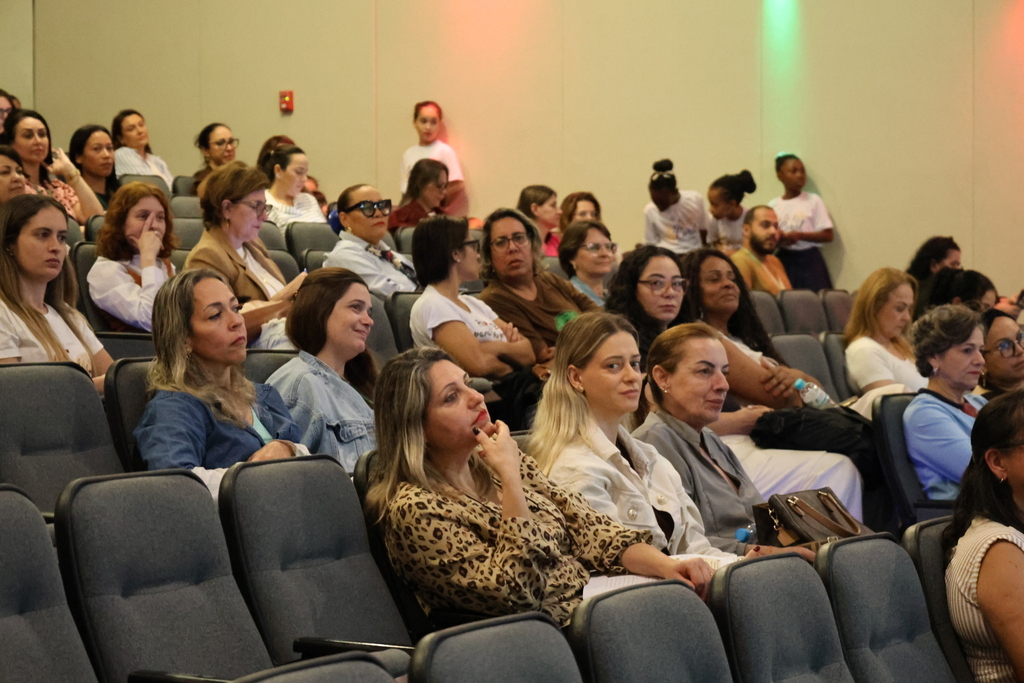
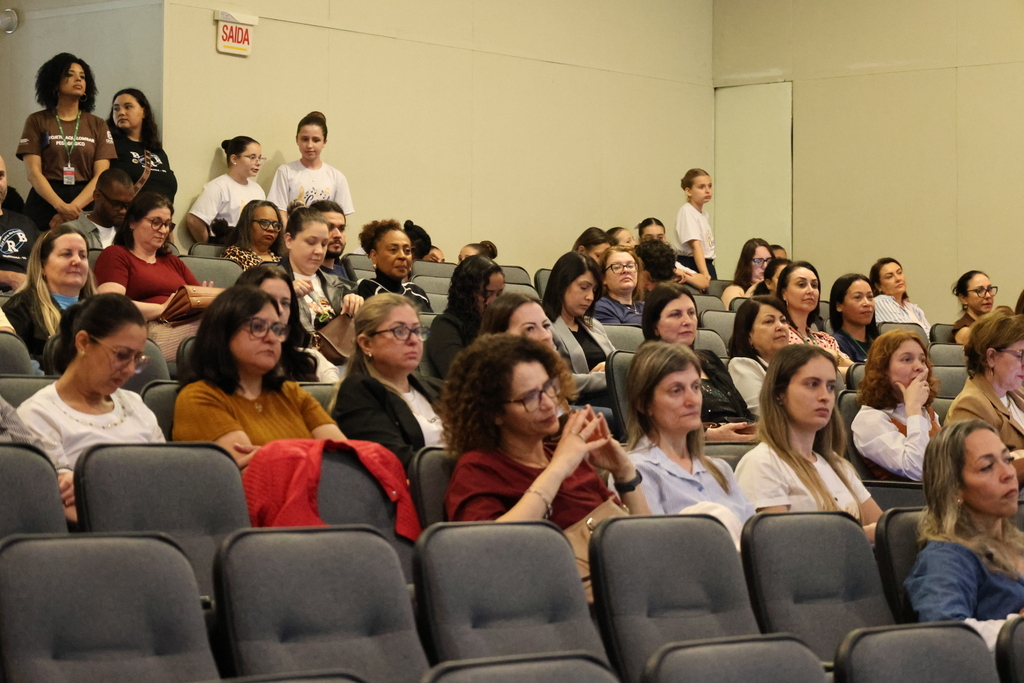
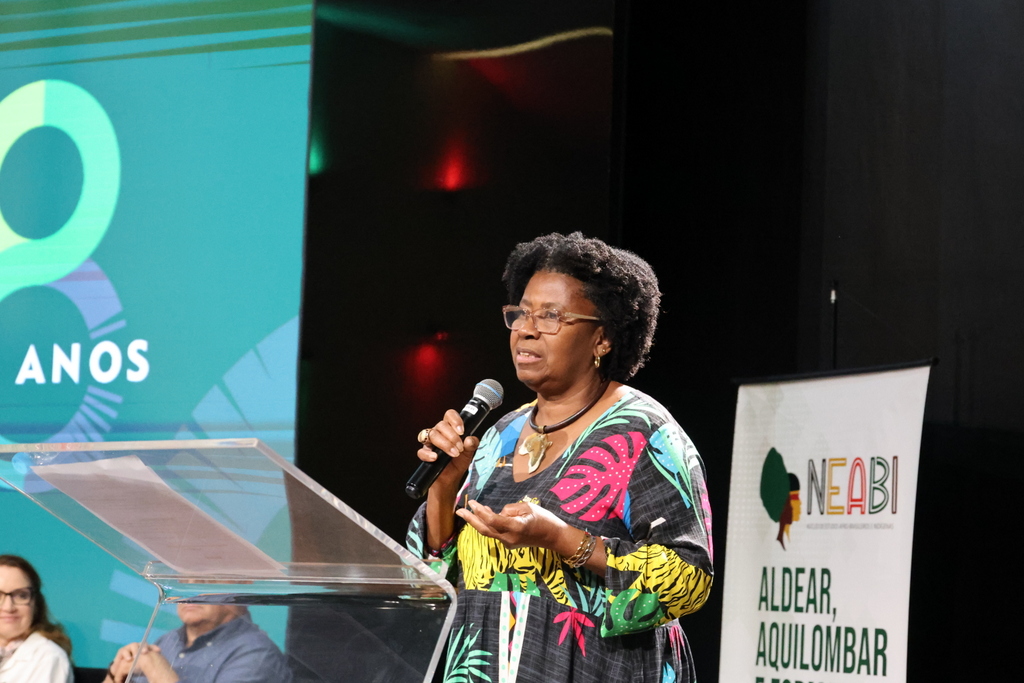
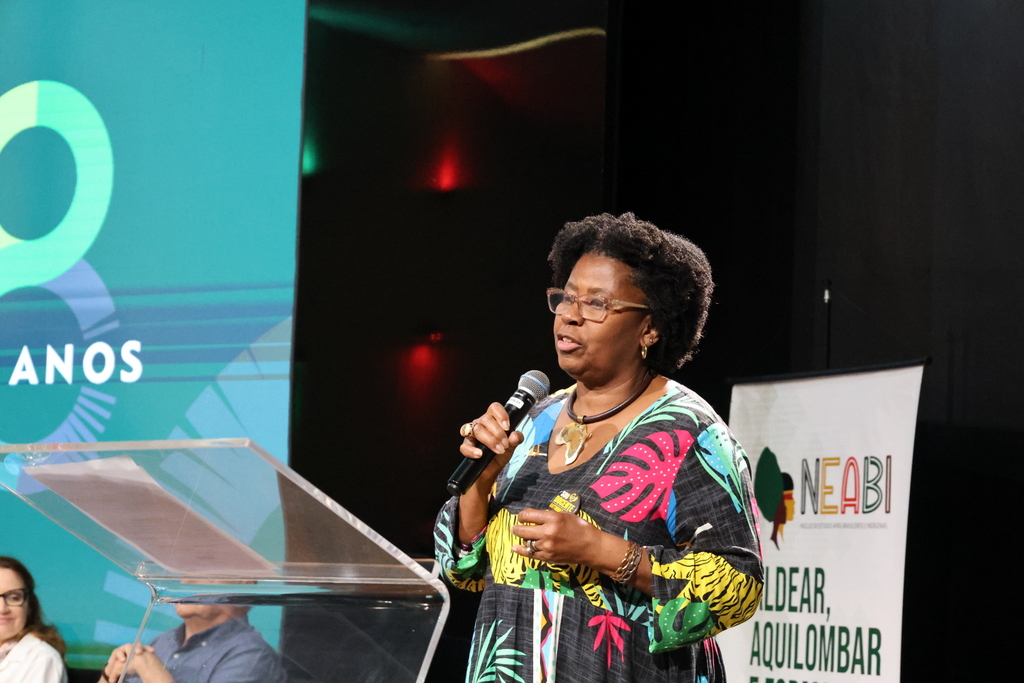
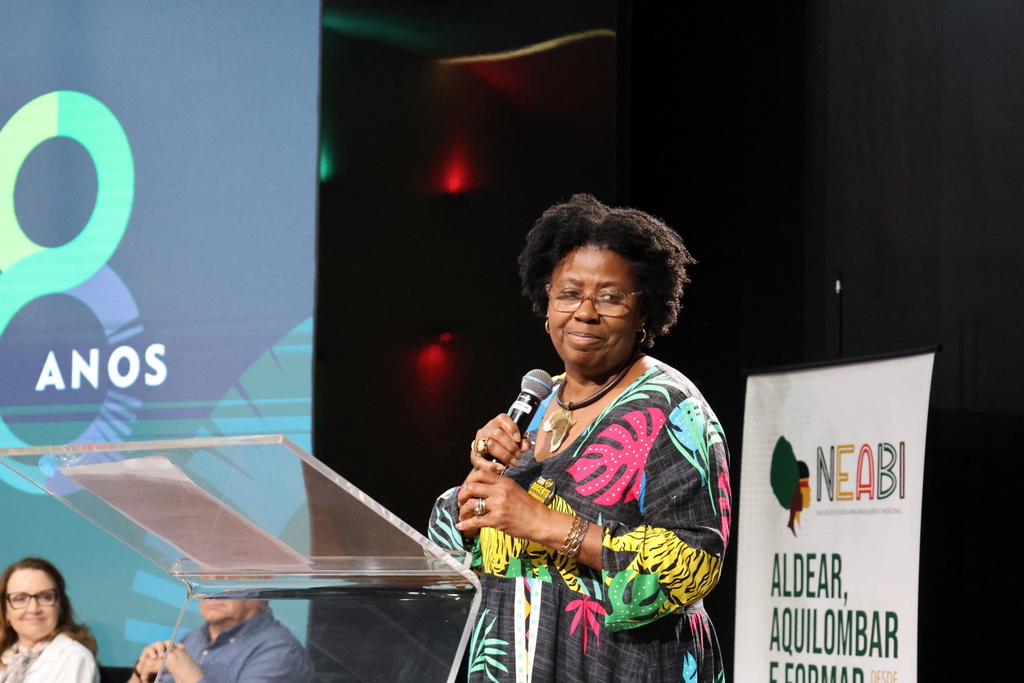
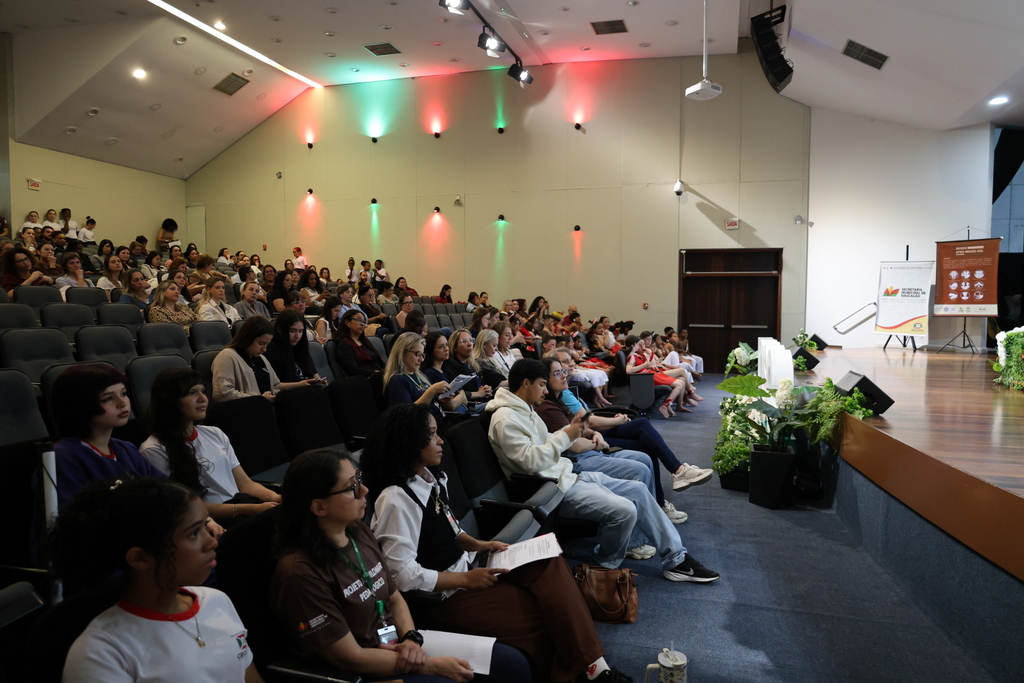
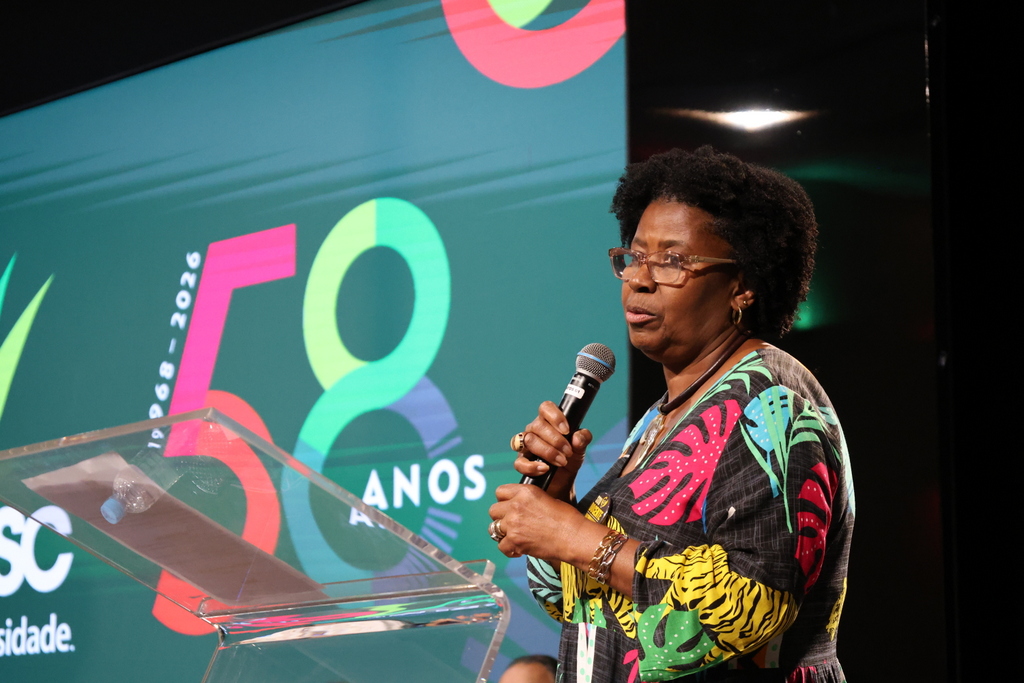
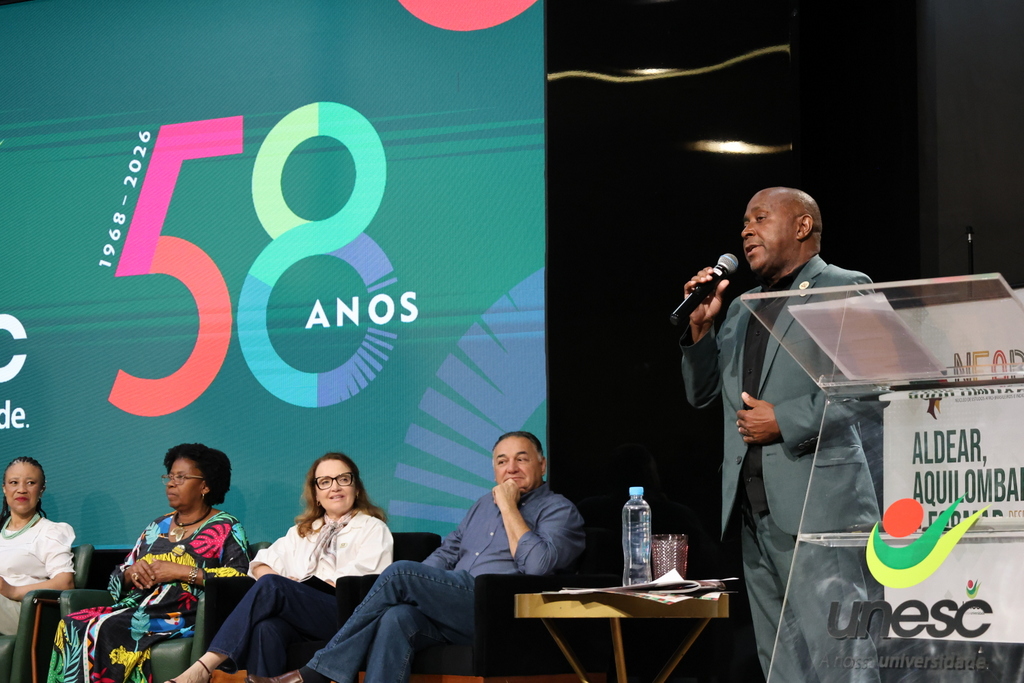
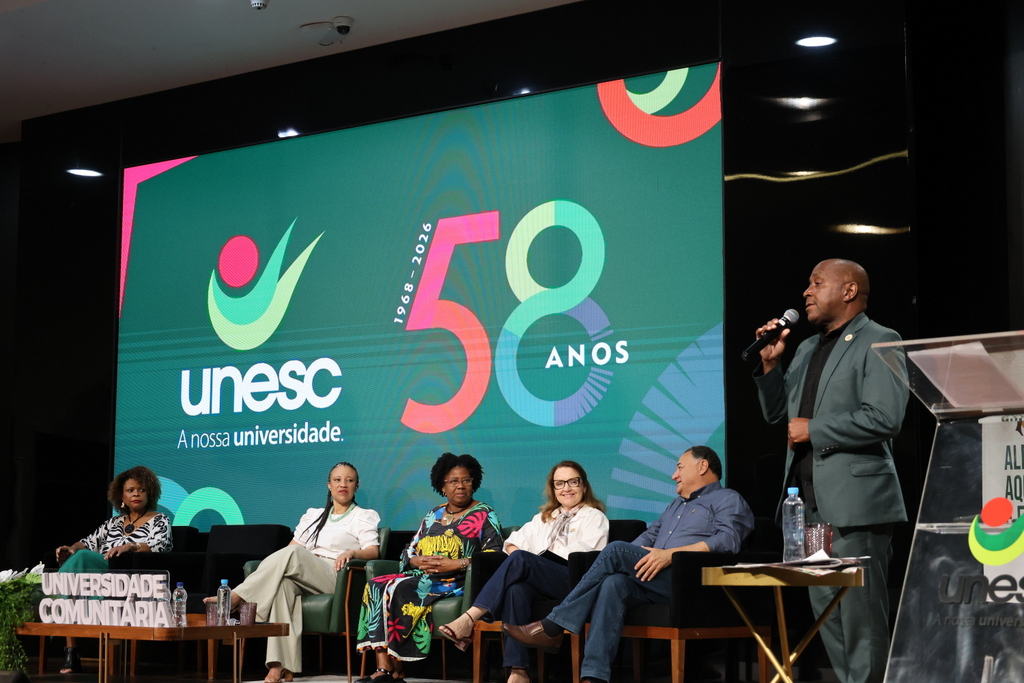
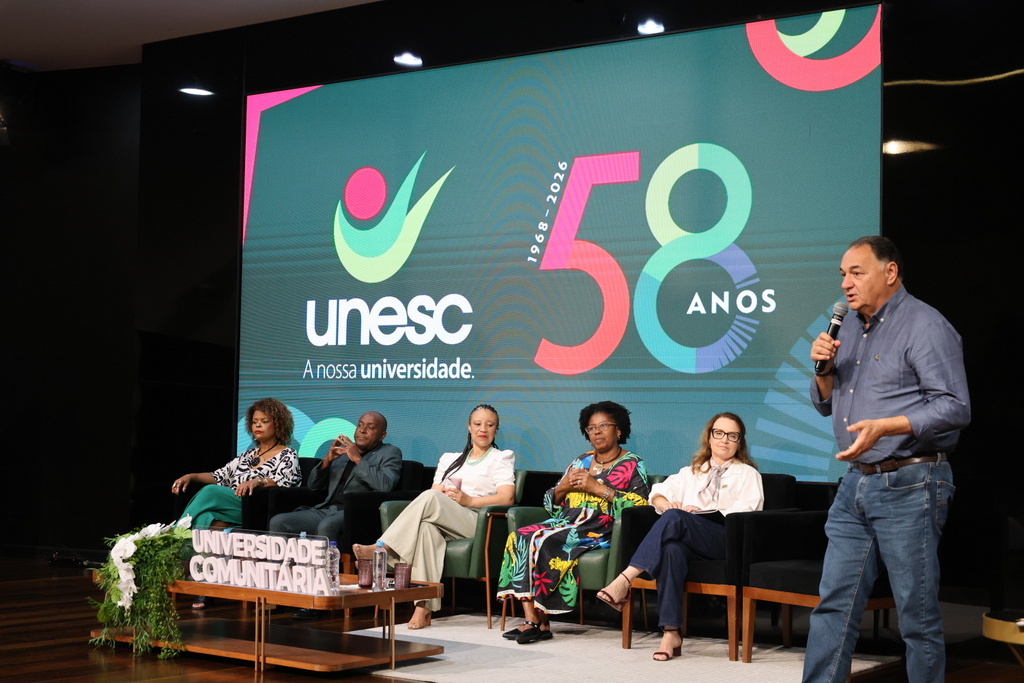
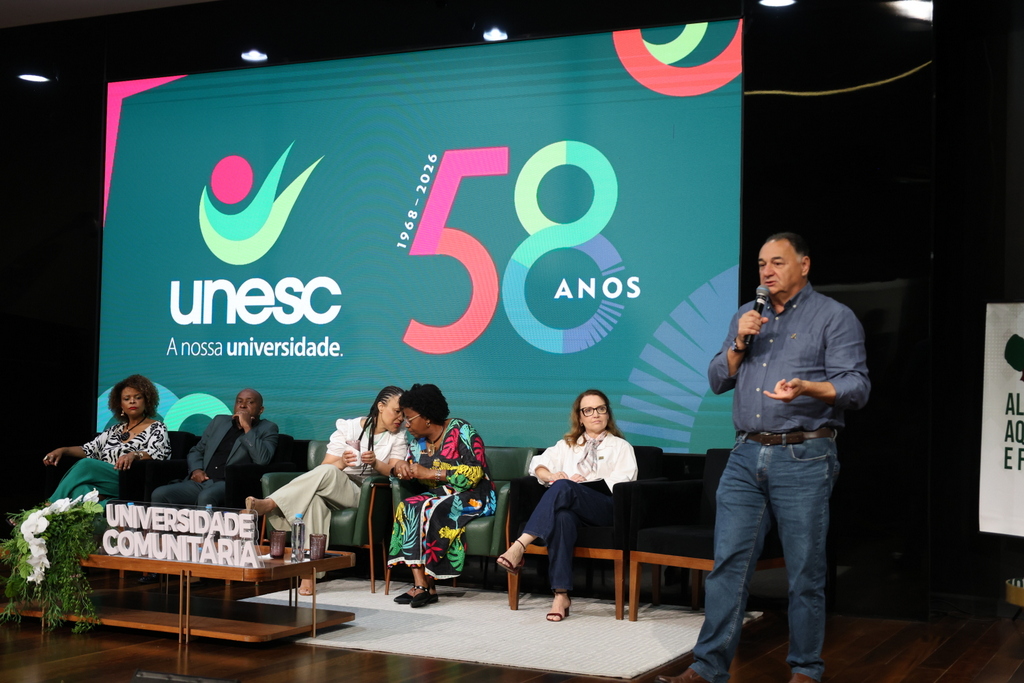
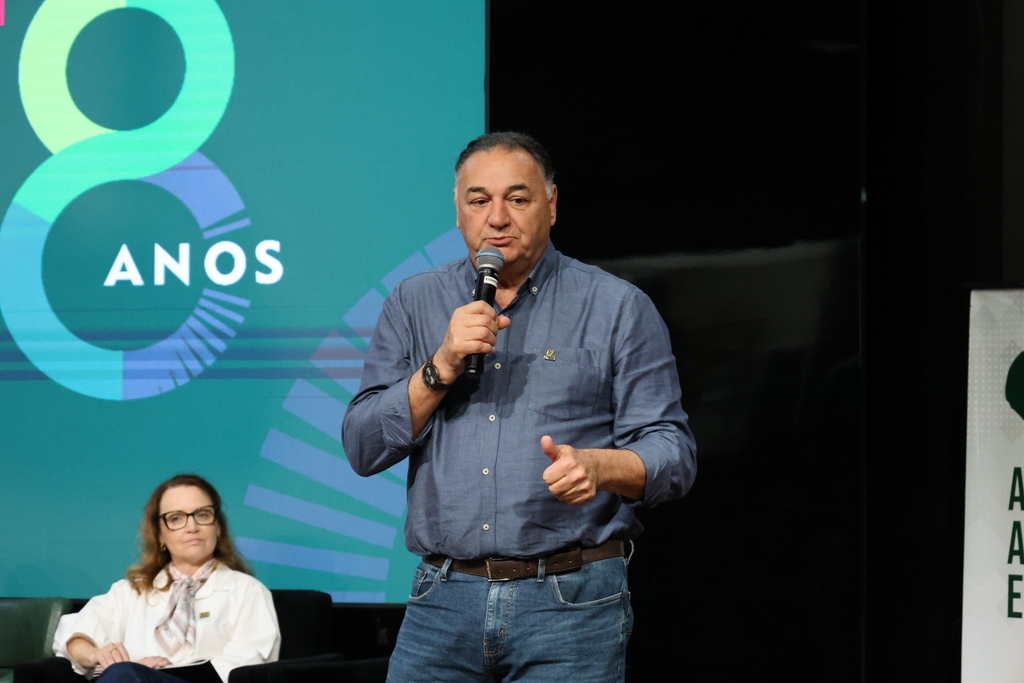
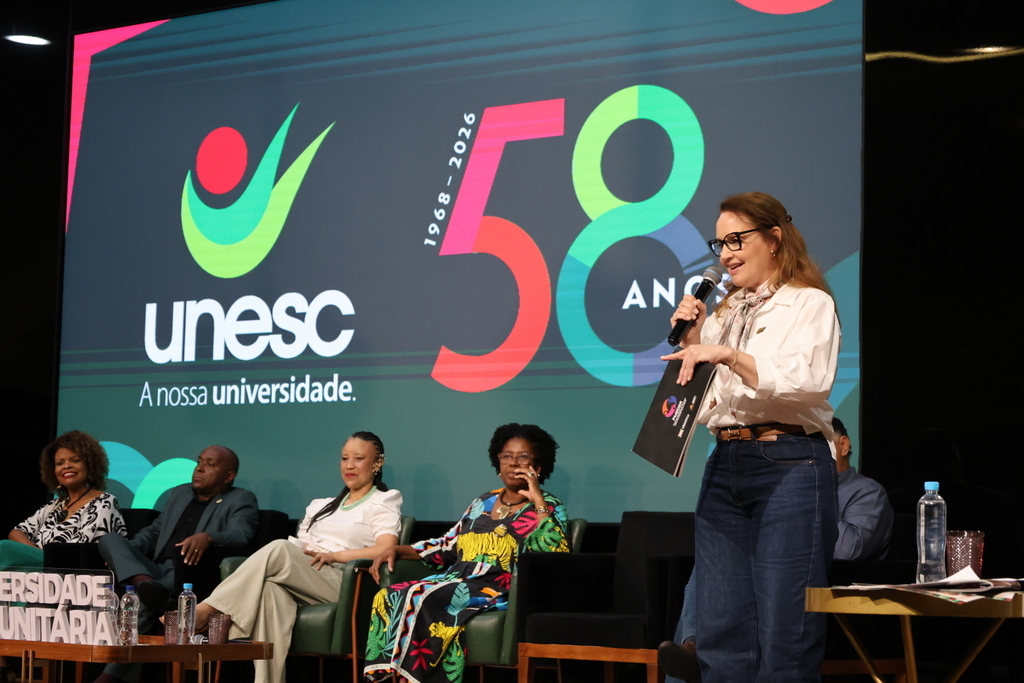
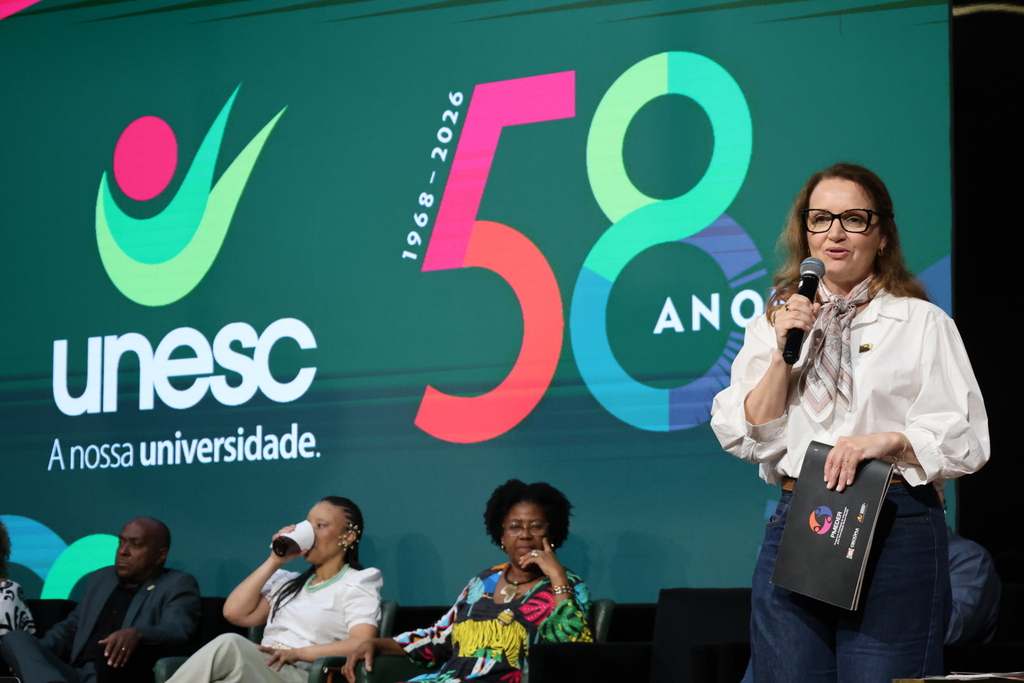
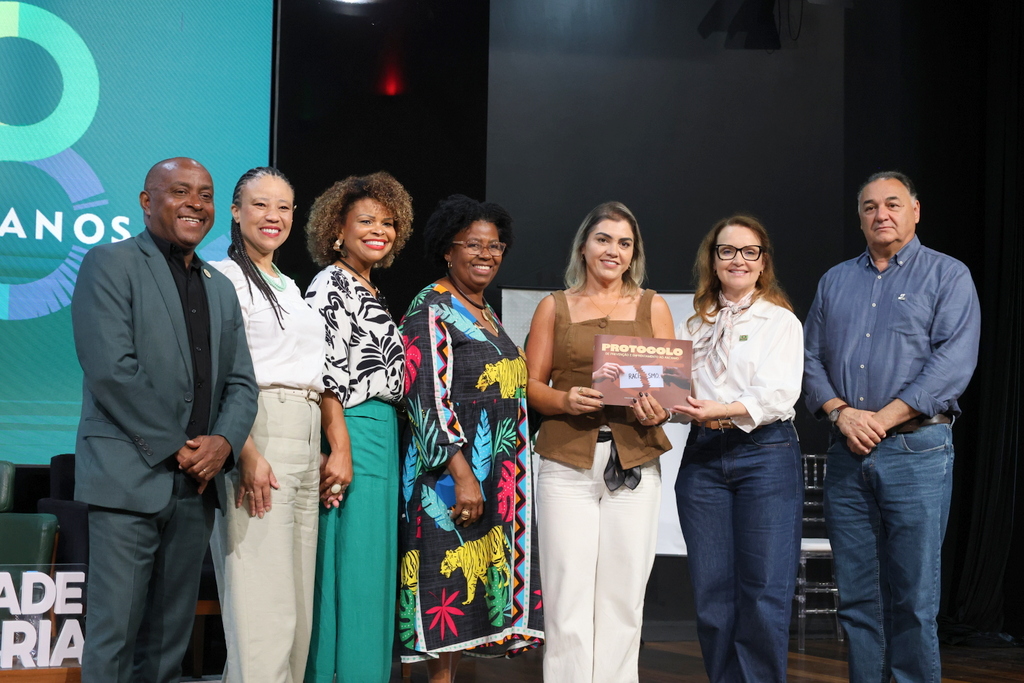
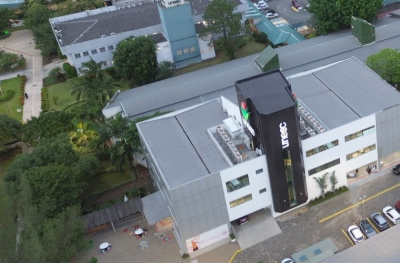
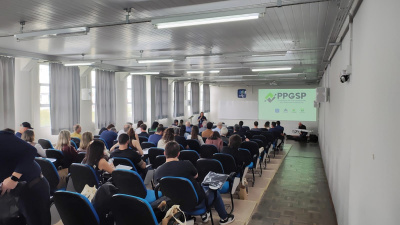
The construction of an anti-racist education requires knowledge, training, and concrete actions both inside and outside the classroom. With this commitment, Unesc, through the Afro-Brazilian and Indigenous Studies Center (Neabi), participates, in partnership with the Municipal Education Department of Criciúma, in initiatives aimed at promoting ethnic-racial diversity in the education network. On Monday (11/16), the University hosted the second edition of the meeting Weaving Knowledge: Pedagogical Practices for Ethnic-Racial Diversity, which highlighted the launch of the second edition of the Protocol for Prevention and Combatting Racism in the Municipal Education Network.
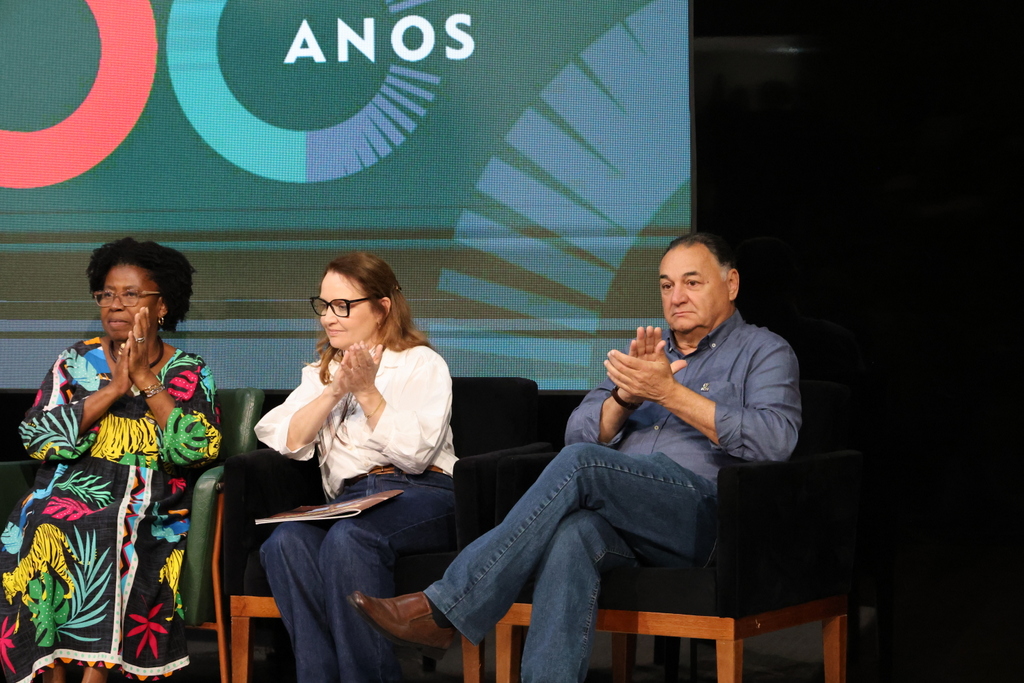
Representing the acting rector of Unesc, Gisele Coelho Lopes, the Vice-Rector for Administration and Finance, José Otávio Feltrin, emphasized the importance of transforming the guidelines of the protocols into actions present in the daily life of educational institutions. According to him, education from the early grades plays a fundamental role in shaping more conscious generations prepared to combat prejudice. 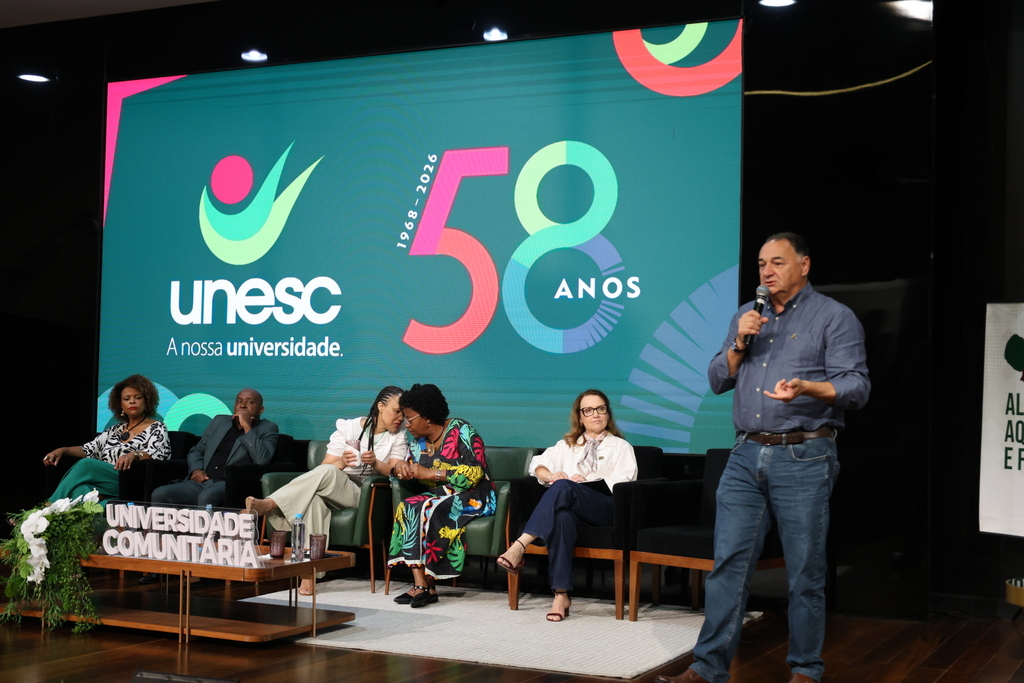
"We can have protocols, but they need to be put into practice in everyday life. We must prevent any type of racism and support those who suffer. Feltrin also highlighted the University’s contribution to building joint actions and made the Institution available to continue the work. 'What we need is to foster, move beyond good intentions, and execute. The University is available for this work to continue happening,' he added.
Training and knowledge exchange
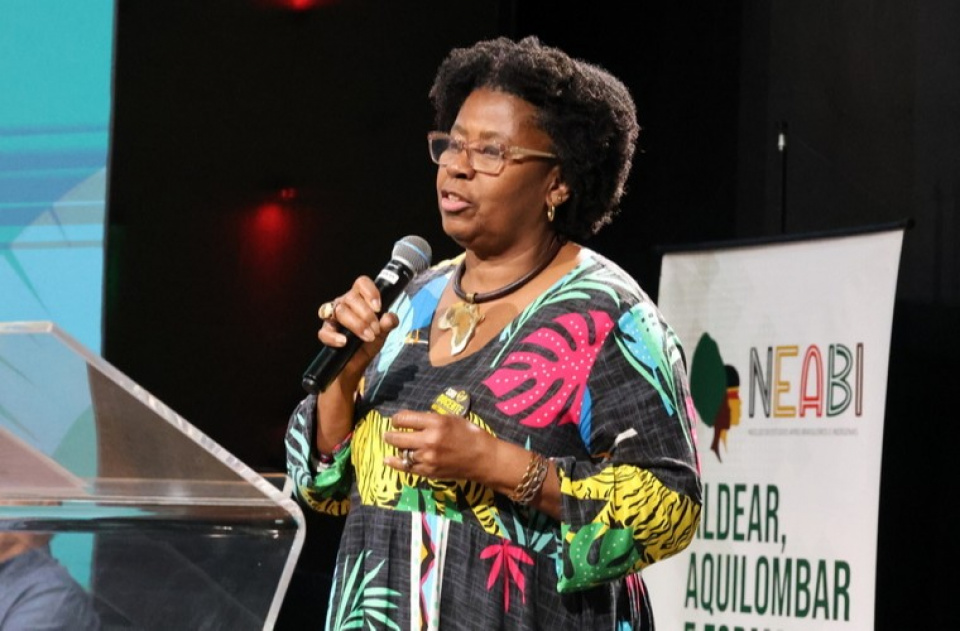
The coordinator of Neabi, Normélia Ondina Lalau de Farias, assessed that the realization of the second edition of Weaving Knowledge demonstrates the importance of continuing the partnership between the University and the municipal network, especially in the ongoing training of teachers.
"For us, it was very significant to realize that everything we articulated as a University, especially in the ongoing training of teachers, confirms that we are on the right path," she emphasized.
Normélia also drew attention to the need to expand the guidelines for prevention and combatting racism to other stages and modalities of education. According to her, the construction of an anti-racist education needs to accompany students throughout their entire educational journey, reaching Universities as well.
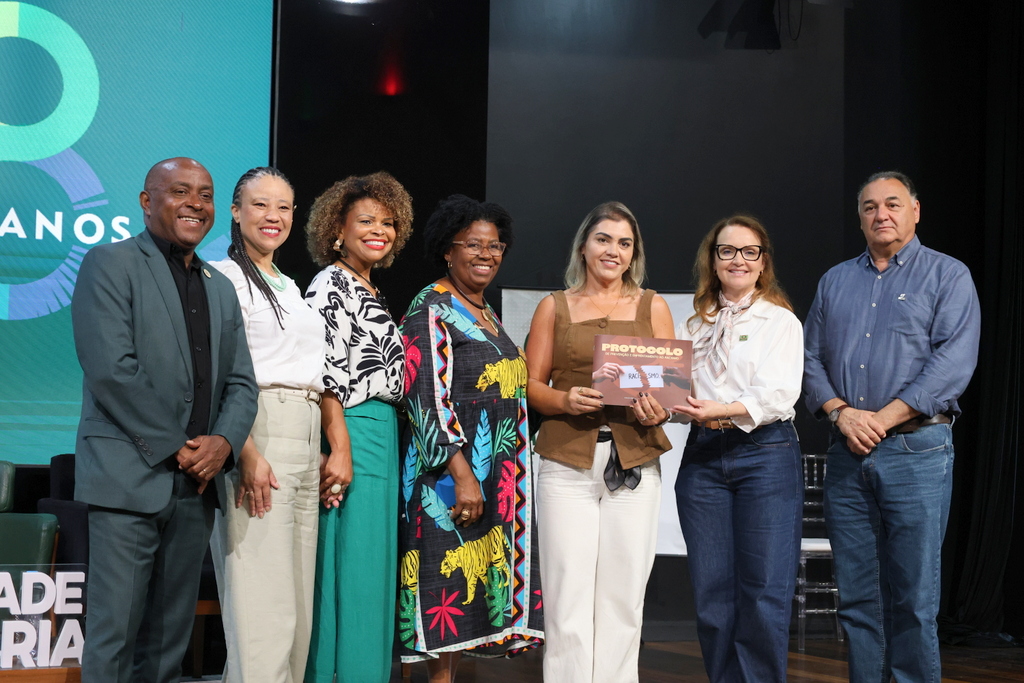 The municipal secretary of Education, Geovana Zanette, explained that the second edition of the protocol was reformulated to facilitate access for the entire school community to the guidelines. One of the innovations is the installation of signs with QR Codes in educational units, allowing teachers, students, families, and others who frequent the spaces to consult the document and find information on how to proceed in situations of racism.
"When I took over the Education Department last year, I received the protocol and realized it was a document that was very much within our school. So, we thought about how to ensure that anyone entering the unit has knowledge or access to it," she explained.
Geovana also highlighted the work carried out by professionals in the municipal network and reminded that the theme is developed throughout the entire school year, not just on specific dates. The secretary also mentioned the national recognition received by Criciúma last year, with the Petronilha Seal, for the work developed in promoting racial equality in education.
Protocol guides prevention, support, and confrontation
The presentation of the second edition of the Protocol for Prevention and Combatting Racism was conducted by the representative of the Municipal Program for Education for Ethnic-Racial Diversity (PMEDER), Andreza Fidelis. She emphasized that confronting racism needs to be part of the curriculum, management, and the relationships established in the school environment.
Andreza explained that racism does not only manifest through offenses but also through absences, silences, representations that do not encompass all children, and denied opportunities. Therefore, the protocol presents guidelines to prevent, identify, and support situations, as well as establish institutional procedures for confronting these occurrences.
"The second edition represents the continuity and improvement of an educational policy committed to racial equity, expanding access to information and the pathways for the school community to know how to act," said Andreza.
Schools share pedagogical experiences
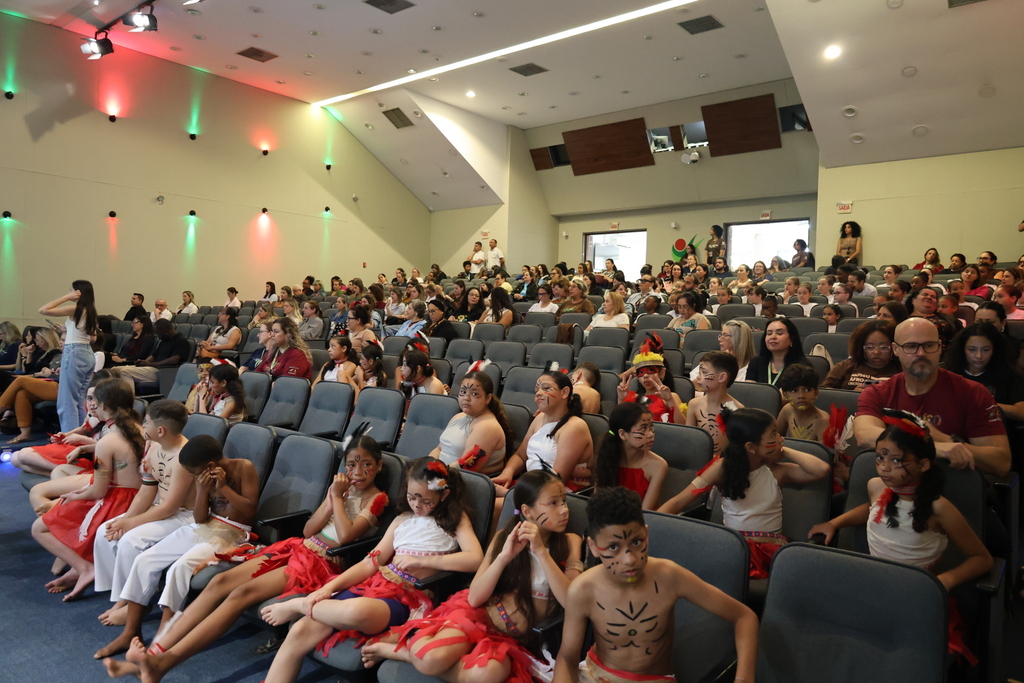
In addition to the launch of the protocol, the meeting provided the opportunity to share projects developed in the public schools of Criciúma based on Law 10.639/03, which establishes the teaching of Afro-Brazilian history and culture. The presentations showed how ethnic-racial diversity can be worked on in an interdisciplinary manner and integrated into different areas of knowledge.
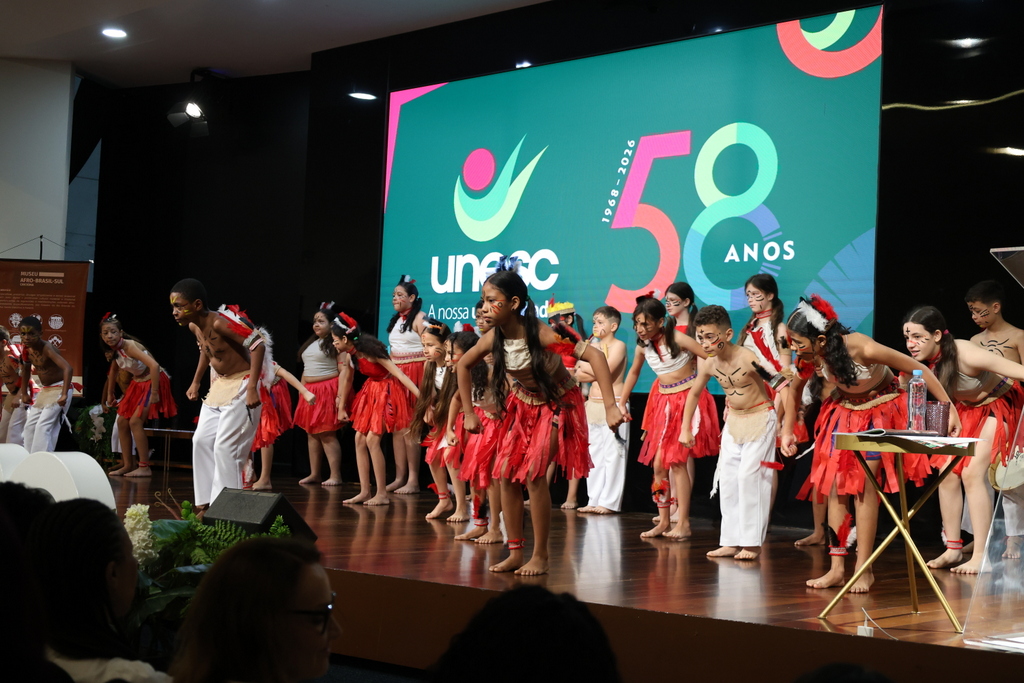
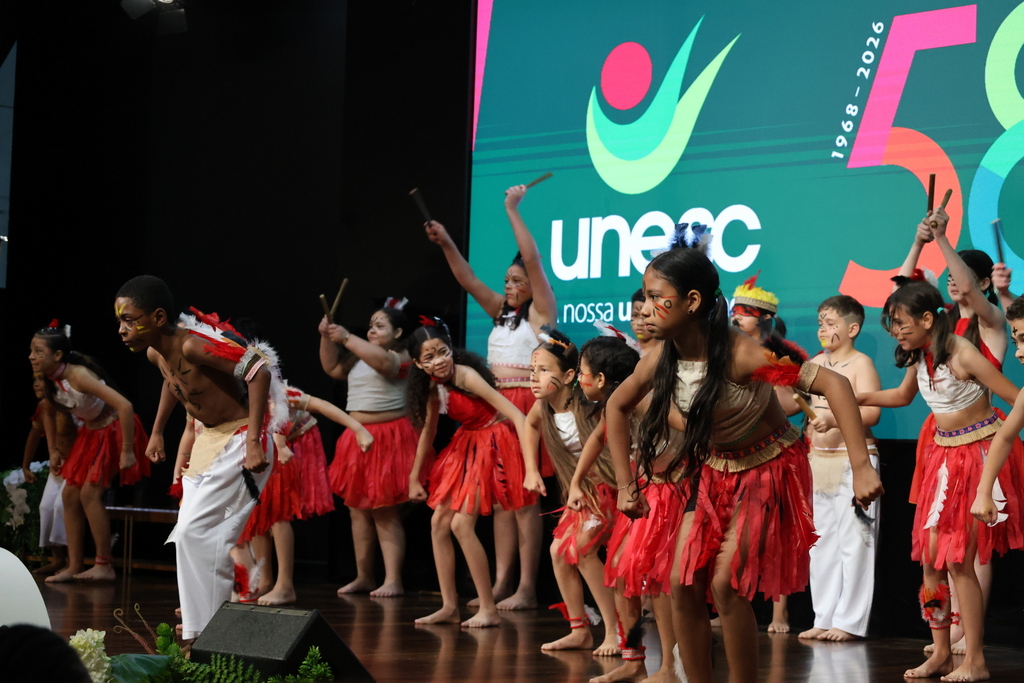
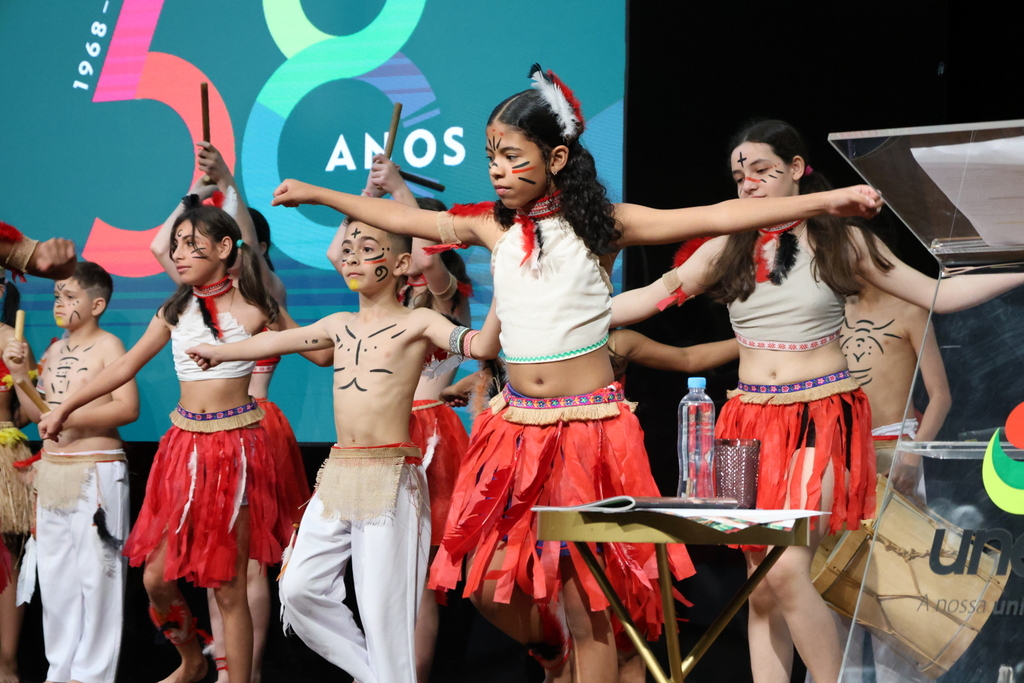
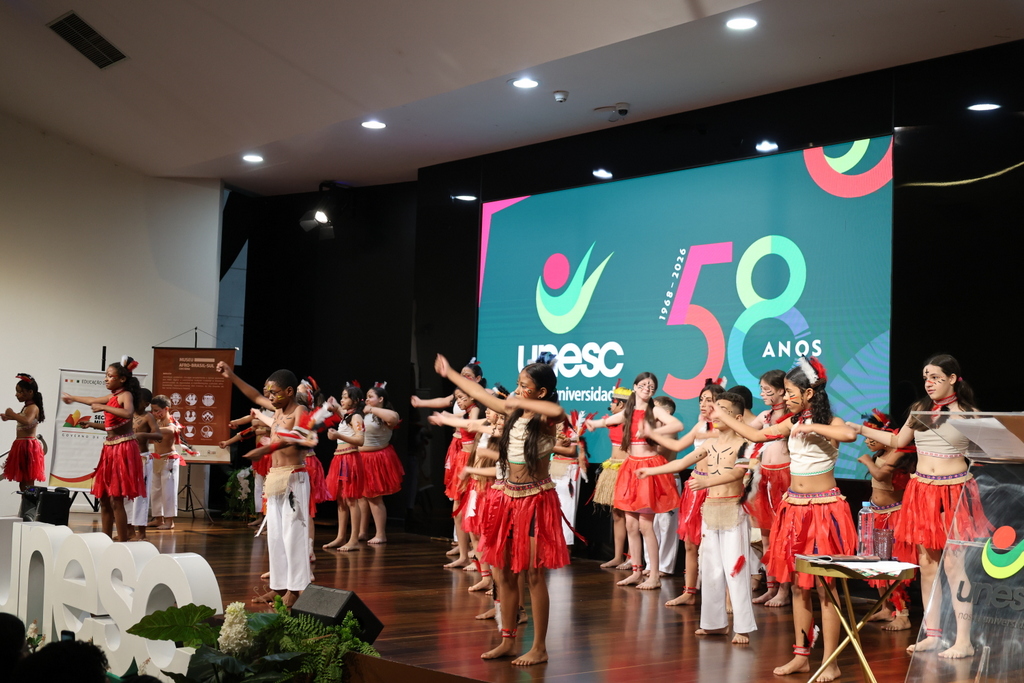
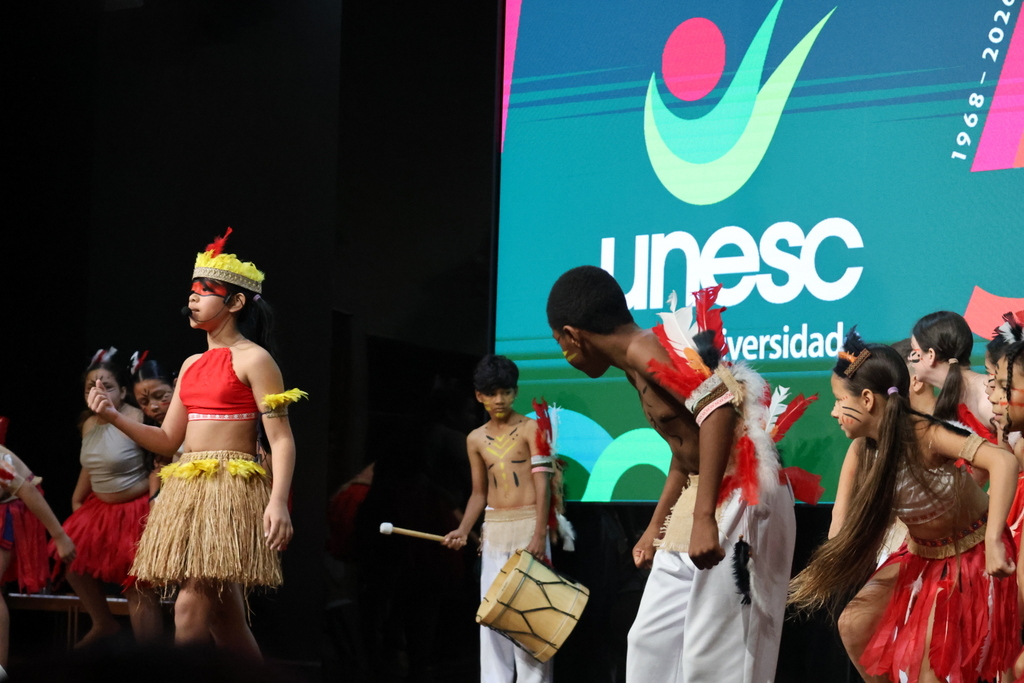
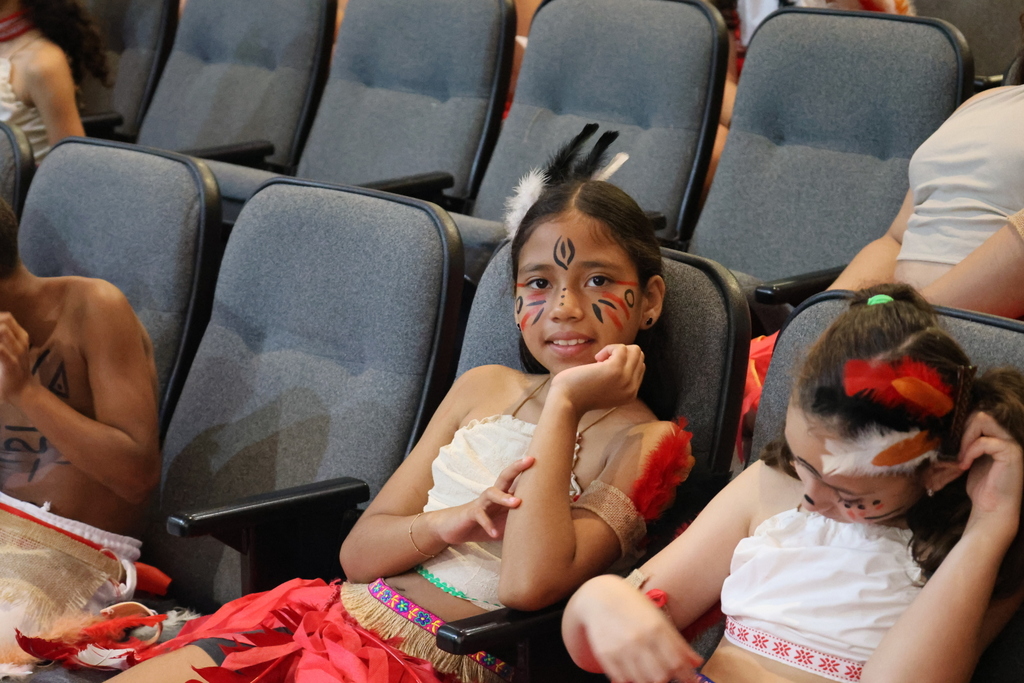
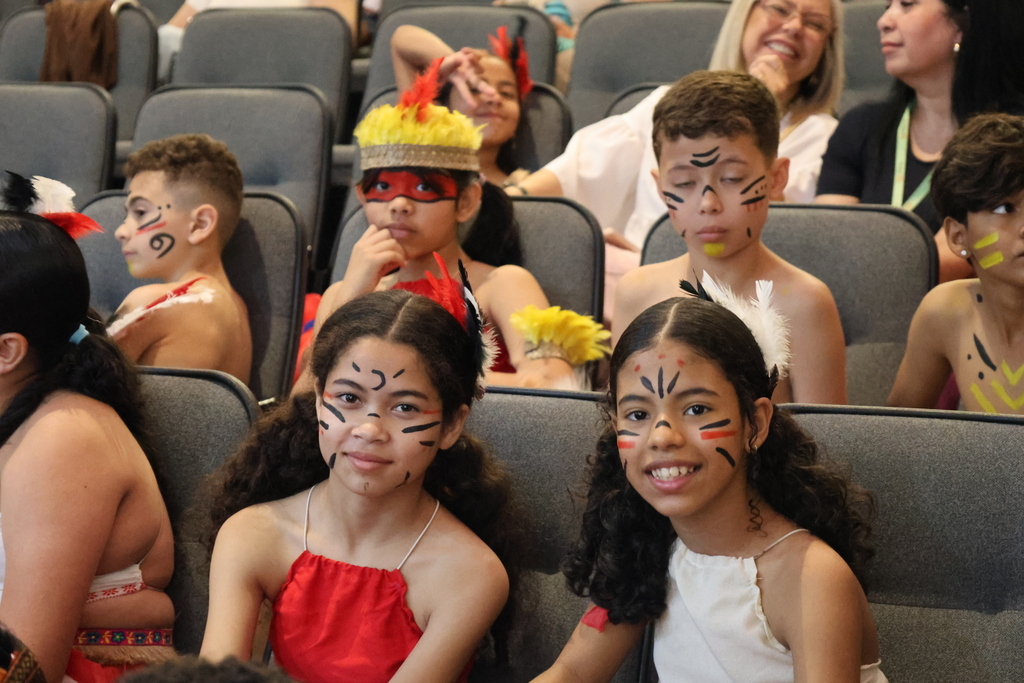
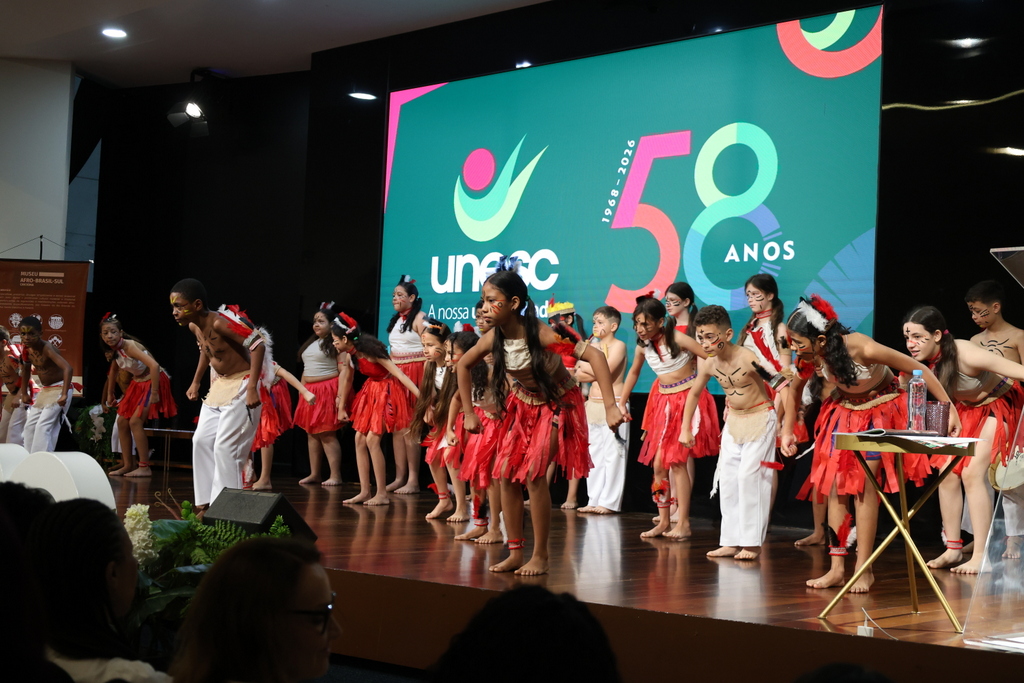 Among the activities was the presentation We Are the People of the Forest, from EMEB Linus João Rech, with students from the 3rd, 4th, and 5th grades. Inspired by the Boi-Bumbá of Parintins, in Amazonas, the choreography valued the African and Indigenous roots of Brazilian culture, addressing ancestry, the knowledge of indigenous peoples, and the preservation of the Amazon rainforest.
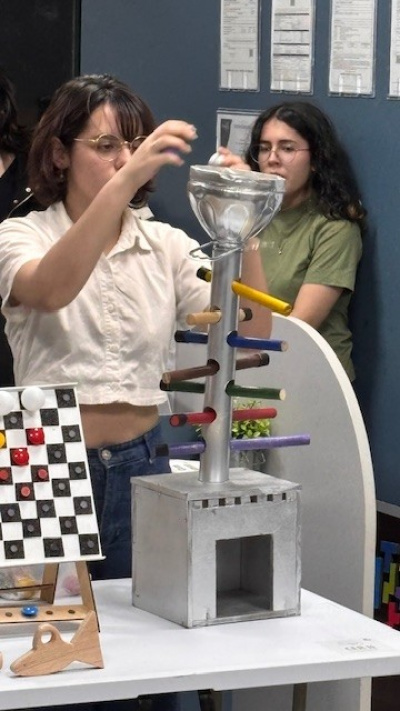
Projects were also presented, including Echoing Black Voices: Music as an Expression of Ancestry, Resistance, and Black Protagonism, from EEB Barão do Rio Branco; Flavors that Tell Stories: The African and Indigenous Heritage in Brazilian Cuisine, from EMEB Adolfo Back; Beyond Color, developed by the Colegião and EMEB Giácomo Zanette; and Phases of the Moon and Indigenous Knowledge, from EMEB Luiz Lazzarin.
The program also featured the participation of councilman Amaral Bittencourt, the only Black councilman in Criciúma, who emphasized the importance of valuing the history of the Black community and its contribution to the formation of the municipality. He recalled his father's efforts in passing a municipal law that included the teaching of Afro-Brazilian history and culture in schools and mentioned a project he authored focused on the health of the Black population. The program continued until the end of the day.